Good landscape design looks effortless from the outside. The yard is clean, the paving lines feel natural, the planting really feels lavish but not chaotic. Yet any person who has attempted to intend their very own outdoor room, whether a tiny yard or a big business frontage, recognizes the number of choices hide underneath that tranquil surface.
What separates an enjoyable however forgettable lawn from a room that really works is not an enchanting plant combination. It is methodical planning. That applies for property landscaping and industrial landscape design alike. Over the previous years working on both, I have actually seen stunning concepts stop working due to the fact that the basics were skipped, and unremarkable websites succeed due to the fact that the principles were respected.
This overview goes through those principles, from checking out the site to equating needs into a buildable plan, after that to the realities of landscape construction and long-term maintenance.
Start by recognizing your website, not your dream list
Most people begin with ideas pictures. They accumulate pictures of courtyards in Spain, front yards from Melbourne, rooftop balconies from New york city, and attempt to graft those onto an entirely different climate, budget, and building style.
Professionals begin in a different way. The first stage is not layout, it is medical diagnosis. You are learning what the site will certainly permit, what it will certainly stand up to, and where it will silently assist you.
Spend time outdoors at various times of day. Notice where you squint, where you shudder, and where you feel naturally comfortable. That subjective experience matters as high as any technological note.
A basic website evaluation need to record numerous points. A brief list assists, and this is one of the few moments where a listing really saves time:
- Sun and shade patterns via the day and across seasons Wind exposure, both prevailing instructions and intensity Drainage patterns, including soggy areas and quick drying places Existing vegetation and includes worth maintaining or removing Views worth framing, and ugly aspects that require screening
Take notes straight on a published website plan if you have one. If not, an approximately scaled illustration with significant borders, doors, home windows, and any existing trees is usually enough.
A number of straightforward numbers already shape what is sensible. For instance, I as soon as saw a client who desired a rich grass for kids on a south dealing with slope with only 150 mm of topsoil over compressed subgrade. The water expense alone would have been painful, and the yard would still have battled. By understanding soil deepness and slope early, we redirected the lawn to a flatter, deeper component of the backyard and developed a terraced, drought tolerant garden on the slope instead.
Commercial landscaping benefits from the same quality. A retail frontage with heavy pedestrian web traffic, narrow planting beds, and mirrored heat from glazing will never ever behave like the shady property yard you admired in a publication. It requires durable hardscape, dry spell forgiving structural planting, and basic maintenance gain access to, not delicate groundcovers.
Clarify exactly how the space need to work
Outdoor rooms fall short most often due to the fact that they do not match exactly how people actually live and relocate. Prior to you think about styles or plant types, jot down what the area needs to do on a hectic week, not just on an ideal weekend.
For domestic landscape design, that usually consists of some mix of blood circulation, leisure, play, storage, and perhaps food production. For commercial landscaping, the list changes towards access, presence, safety and security, brand name expression, and durability.
Think in regards to situations. Where do visitors show up, and what do they see first. How do shipments occur. Where does trash action. Where will certainly children run, and what can they encounter. Where do you grill when the wind picks up.
In a typical suburban yard, I may listen to a customer claim, "We desire a deck, a veggie patch, a fire pit, a grass, a swimming pool, and a large shed." On a 10 by 15 metre backyard, that is unrealistic. The concern ends up being: what issues every week, and what would behave once a year. Usually the core requires clear up into something like a shaded eating location near the kitchen area, a small grass for children, evaluating from neighbours, and maybe a small herb yard near the back door.
For an industrial site, owners typically request for "low upkeep" growing and "influence at the entry." Press a little, and you discover real restraints: upkeep staff check out every 2 weeks at best, the watering system is standard, and there is a strict sightline need for protection electronic cameras. These facts form plant selection and structure greater than any type of mood board.
Once you have a clear photo of useful needs, arrange them loosely right into key, secondary, and optional. This assists when you run into spatial or budget conflicts later. Key features get the very best places and one of the most robust building. Second usages fit into the surplus yet still good areas. Optional things, like an ornamental water feature, ought to never push core circulation or safety and security into uncomfortable corners.
Organise exterior areas and circulation
Good landscape design really feels unpreventable. You step outside and your feet recognize where to go. That ease originates from meaningful spatial organisation.
Think of the exterior area as a series of rooms, also if there are no wall surfaces. Each room has a primary purpose: arrival, eating, play, peaceful sitting, solution. Your job is to place these in a manner that shows real usage and afterwards link them with clear, comfy paths.
Several patterns turn up time and again in effective yard landscaping and bigger commercial landscapes:
Arrival desires quality. The front course must be apparent from the road or parking lot, with lights and planting that guide people normally to the door. Complicated access annoy site visitors and can develop safety and security issues during the night. On industrial jobs, ADA or equivalent ease of access criteria even more define slopes and path widths.
Social spaces like balconies and decks function best near to interior living or break areas, not at the much side of the residential or commercial property. In a residential setting, maintaining outdoor eating within a few actions of the kitchen changes exactly how frequently it gets used. In workplace landscapes, providing shaded seats within a short stroll of the primary entryway urges personnel to use the space during short breaks.
Service areas rarely should have prime space, yet they do call for simple accessibility. Containers, storage space, cooling units, and swimming pool tools all need testing, yet maintenance team must reach them without working out a puzzle. I have seen greater than one bin shop created with stunning growing in front of it, which looked great up until the third time a garden enthusiast crushed hedges while dragging containers out.
Circulation courses should be shapes and size according to expected website traffic. A slim 800 mm course is fine for reduced usage gain access to in a residential yard, given individuals are not bring trays. High traffic routes in industrial landscaping commonly require 1.5 to 2 metres or more. Stay clear of unnecessary kinks or right angles, which feel awkward unless determined by existing structures.
Think up and down as well. Trees, pergolas, and screens define outdoor spaces equally as much as ground level paving. A small yard can feel generous if there is some overhead structure separating blank skies, while a large, open yard can really feel desolate without vertical components to hold the space.
Balance hardscape and planting
People typically undervalue just how much of a landscape spending plan enters into non plant components. Paving, decks, wall surfaces, actions, lights, drainage, irrigation, and structural dirt prep work can easily account for 60 to 80 percent of a professionally constructed domestic landscaping job. Commercial landscape design, with larger duty products and stricter building requirements, can run also higher.
This is not a bad point. Hardscape provides the bones that make an area able to be used all year. The danger shows up when too much of the ground ends up being resistant and severe, or when the budget leans totally right into paving at the expense of purposeful planting.
Start by determining the outright minimum hardscape needed to make the space job: key courses, thresholds at doors, solution strips for bins or equipment, and main balconies or patios. From there, try to find opportunities to lower tough surfaces. Can an additional path change from stone to compacted gravel. Could a little extra planting soften a long term of concrete.
In landscape building terms, each product option influences both price and performance. Natural rock looks classic yet is hefty and typically slower to set up. Concrete pavers are much more predictable and typically less costly for large locations. Wood decks create heat and a forgiving walking surface area, however require ongoing maintenance and can be unsafe in shade. Composite outdoor decking professions a few of that natural feeling for lowered upkeep.
Pay mindful interest to thresholds at doors and changes in between different surface areas. Inadequately comprehensive steps, abrupt degree changes, or trip dangers where products satisfy develop both safety and security and upkeep migraines. On a business project I dealt with, a simple 15 mm lip in between tiled entrance hall and exterior paving accumulated water and debris and regularly tripped distracted pedestrians. Fixing it after construction required costly rework of waterproofing and door frames.
Edges matter as well. Strong, tidy edges in between yard and yard beds or between gravel and growing offer an area aesthetic order and make upkeep much less complicated. Steel, concrete, or rock bordering can all work, depending on budget plan and visual, yet they need to be outlined to stand up to motion over time.
Craft a growing method that survives reality
At first glance, growing layout appears like the enjoyable component, and it is. Yet it is additionally where lots of or else qualified landscape styles fall apart after a couple of summers.
The key is to think in layers and life-spans, not just types names. Experienced garden landscaping makes use of a few basic principles:
Structure first. Choose trees and big bushes that will specify the area in 10 to two decades. These are the elements that supply long-term color, personal privacy, and range. On a small domestic whole lot, that could be simply 2 or three very carefully put trees, probably one cover tree and a number of multi stemmed specimens. On an industrial streetscape, it could be a routine rhythm of street trees supplying both shade and a sense of procession.
Masses and structures next. Use tool shrubs, turfs, and perennials to produce blocks of texture and colour. Withstand the lure to scatter among whatever. Rep relaxes the eye and makes maintenance extra predictable. If you know a certain grass grows on your website with marginal treatment, utilize it kindly in a number of areas as opposed to screening ten brand-new species.
Ground layer last. Groundcovers, low perennials, and seasonal bulbs or annuals offer fine appearance and seasonal highlights. They are typically the initial to reveal stress if problems are incorrect, so location them where irrigation and upkeep can support them.
Climate, soil, and upkeep ability should lead species selection greater than fashion. A dry spell forgiving Mediterranean scheme that prospers in a complete sun, sandy coastal site will certainly pout under hefty clay in a damp inland valley. Similarly, high upkeep clipped box hedges might look sharp around a deluxe home, however around a circulation warehouse with quarterly upkeep brows through they will certainly soon become landscaping pasadena shaggy or diseased.
For industrial landscaping and high exposure household front yards, think about how the planting will look from an automobile at 40 to 60 km/h along with from a pedestrian's point of view. Bold forms and regular masses check out far better at speed than refined mixes.
Finally, plant for growth, not just for the very first season. Crowding young hedges to attain instant volume results in competitors, disease, and a thicket that is difficult to maintain within a couple of years. Leaving sensible space between plants, and accepting some initial voids, settles in much healthier, longer enduring plantings.
Style, personality, and suitable the architecture
Once the functional design and basic planting framework are clear, you can think about personality a lot more straight. Good landscape layout does not need to match the style strictly, but it needs to speak the very same language.
A clean lined contemporary house usually fits easy geometry, limited products, and strong growing masses. Overly fussy details or a mix of 10 various paving products will deal with against the building. In that context, a meticulously detailed concrete path, a restricted palette of yards and architectural hedges, and a single varieties tree allee can feel sophisticated.
Traditional or heritage buildings can take care of more complexity in planting and describing, as long as symmetrical partnerships are appreciated. Soft curves, split growing, and materials like block, natural stone, and lumber often feel much more in your home there. Again, restriction helps: duplicating a specific block pattern or a particular hedge species throughout the website connects the structure together.
For garden landscape design around contemporary condominiums or houses, room constraints push style and function to function more difficult. Vertical components such as climbers on wire trellises, multi stemmed trees, and raised planters include depth without taking in way too much flooring area. A straightforward colour scheme and one or two vital functions, like a water dish or a sculptural tree, generally really feel better than attempting to cram in every idea.
In industrial settings, the landscape usually lugs brand name cues. This can be literal, with colour and signage, or retaining wall contractors more subtle, via the general mood. A technology school may go for relaxed, park like spaces with generous grass and casual seating, while a shop resort might favour intimate courtyards with lush, exotic planting. The technique is to stay clear of tricks that fail under day-to-day usage. I have actually seen mirrored panels used as feature walls that looked trendy on day one, after that ended up being a constant cleaning frustration and a bird strike hazard.
Lighting plays a big function in character as well. Thoughtful landscape lighting prolongs functionality right into the evening, highlights key features, and enhances safety. Prevent the lure to flooding everything with brilliant, cool white light. Targeted cozy lighting along paths, at actions, and on chosen trees or walls feels more comfy and uses energy extra efficiently.
Working with levels, drainage, and construction realities
On paper, it is simple to glide rooms around without thinking of levels. On website, gravity and water determine where numerous things can really go.
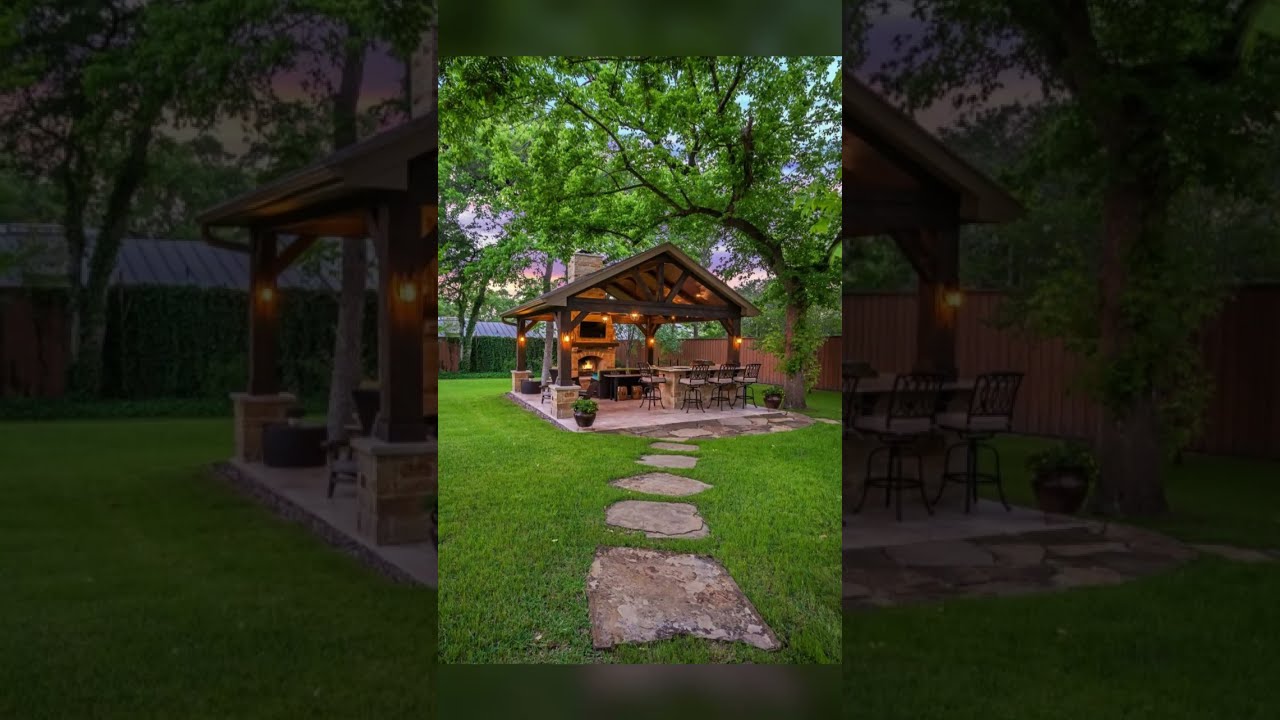
Even a small 300 mm level adjustment between a patio area and a yard can require steps, a ramp, or regrading. Every change in level includes complexity to landscape building and construction, so minimise them where possible. When they are essential, incorporate them purposely. One broad, generous action change can feel sculptural and inviting. A series of random 120 mm and 180 mm risers with no clear reasoning feels awkward and potentially unsafe.
Drainage typically obtains too little attention throughout layout and then takes in a piece of spending plan during construction. Tough surface areas should be up to a drain or to absorptive locations at a sensible gradient. Growing beds require to stay clear of becoming waterlogged basins versus building walls. In many climates, a basic rule of thumb is to preserve a slight autumn of 1 to 2 percent away from buildings and towards ideal collection factors, but local laws and soil problems always apply.
I when worked on a courtyard remodelling where earlier paving had been laid dead level for visual factors. Over a couple of periods, small building resistances and cement degradation permitted water to pond in the centre. Wintertime freezes lifted ceramic tiles, and algae made the entire surface area slippery. Correcting the problem involved stripping and passing on the whole courtyard with correct is up to discreet straight drains.
During planning, involve a landscape contractor or civil designer early if your site has considerable slopes, complex building joints, or existing drainage troubles. Their input can save you from making features that are practically unwise or overmuch expensive.
For both household landscaping and business landscaping, it assists to think in building and construction sequences. Gain access to for machinery, momentary storage for dirt and products, and defense of existing trees or frameworks all influence exactly how and in what order job can proceed. On tight websites, it may be impossible to bring in huge machinery after particular wall surfaces or decks are built, so deep dirt prep work or major tree planting must take place earlier.
A sensible step by step preparation process
Every developer works slightly differently, however an easy, reputable procedure can assist homeowners, facility managers, and even specialists with a project from idea to reality. Below a structured sequence is worth setting out plainly as a listing:
- Document and evaluate the website, including measurements, images, and the observations from your list Clarify practical needs, budget plans, and upkeep capacity with all stakeholders Develop an idea plan showing outside areas, blood circulation, and vital features while disregarding plant specifics Refine right into an in-depth layout with materials, growing plan, degrees, lights, and construction information where needed Stage building practically, starting with grading and significant hardscape, after that growing, then lighting and ending up touches
At each stage, anticipate to loophole back a little. Spending plans frequently require simplification, intending consents may require changes, or new insights from the website may move priorities. That is normal. The fundamental part is that modifications respond to clear goals instead of to spontaneous decisions.
For business projects, include official approvals, tender documents, and specialist selection into the sequence. Robust documentation decreases disagreements later on and helps ensure what gets constructed matches what was designed.
Budgeting, phasing, and maintenance
No exterior area is ever before "ended up." Plants expand, materials age, and uses adjustment as family members grow or organizations progress. Accepting that fact assists you make far better decisions concerning where to spend heavily and where to maintain points flexible.
Budgeting must combine clear expense estimates for landscape building with a sincere analysis of ongoing upkeep. An intricate perennial yard that requires weekly attention might be ideal for an enthusiast in a residential context but tragic for an office park visited by a garden enthusiast when a month. Just as, the most affordable feasible materials in a high traffic industrial plaza have a tendency to come to be a continuous fixing item, costing a lot more in the lengthy run.
When funds are restricted, prioritise unnoticeable structures and core structure over attractive additionals. Appropriate soil prep work, sufficient drainage, and well constructed keeping wall surfaces hardly ever attract compliments, but they avoid expensive failings. Features like constructed in seating, pergolas, and exterior kitchen areas can typically be included later phases if the underlying framework is sound.
Phasing can be sensible both financially and practically. Many home owners deal with tasks in 2 or three stages over a number of years: initially the significant earthworks and crucial hardscape, then key growing, then finer information. Simply make sure that each stage operates on its own and does not leave unpleasant half completed hazards.
Maintenance strategies matter as high as layout illustrations. Also a straightforward one web page guide that details trimming times, fertilizing timetables, irrigation setups, and most likely replacement intervals for certain plant species can make a substantial distinction. For larger business landscaping, formal maintenance requirements outlining mowing heights, response times for watering faults, and efficiency requirements for sanitation and safety and security create clear assumptions with contractors.
Bringing it all together
Planning the perfect outside area is less regarding going after a particular design and even more concerning stacking sensible choices in the best order. Comprehend the site before you enforce ideas on it. Make clear just how the space needs to function. Organise clear outdoor rooms and flow. Equilibrium hardscape with reasonable, split planting. Respect building and construction truths of degrees and drainage. After that detail the personality so it supports the architecture and individuals that utilize it.
Whether you are supervising garden landscaping around a portable townhouse, working with domestic landscape design for a new family members home, or handling landscape design for an industrial residential or commercial property, the basics remain extremely constant. When those basics are managed well, imagination has a steady system. When they are ignored, even the most photogenic layout tends to unravel under weather, wear, and time.